Custom Keyboard Shortcuts In Firefox For Mac
Experienced Mac users like to tout their increased productivity when it comes to keyboard shortcut knowledge. Whilst this is a genuine benefit, many users are content with knowing the basics for the applications they use on a daily basis. If you are interested in expanding your knowledge of keyboard shortcuts, Apple has released knowledge base article. We recommend you print or bookmark this support document.
Should you require a shortcut that is not listed within Apple’s support article, you can easily create your own. To do this proceed to System Preferences Keyboard. Make sure you are in the Keyboard Shortcuts tab and have selected Application Shortcuts. To create a new shortcut press the “+” button. To remove a custom shortcut, after it has been created, click on the “-” button. You are able to create a shortcut that can be applied to all applications, or any specific application, installed on your Mac by clicking on the drop down menu.
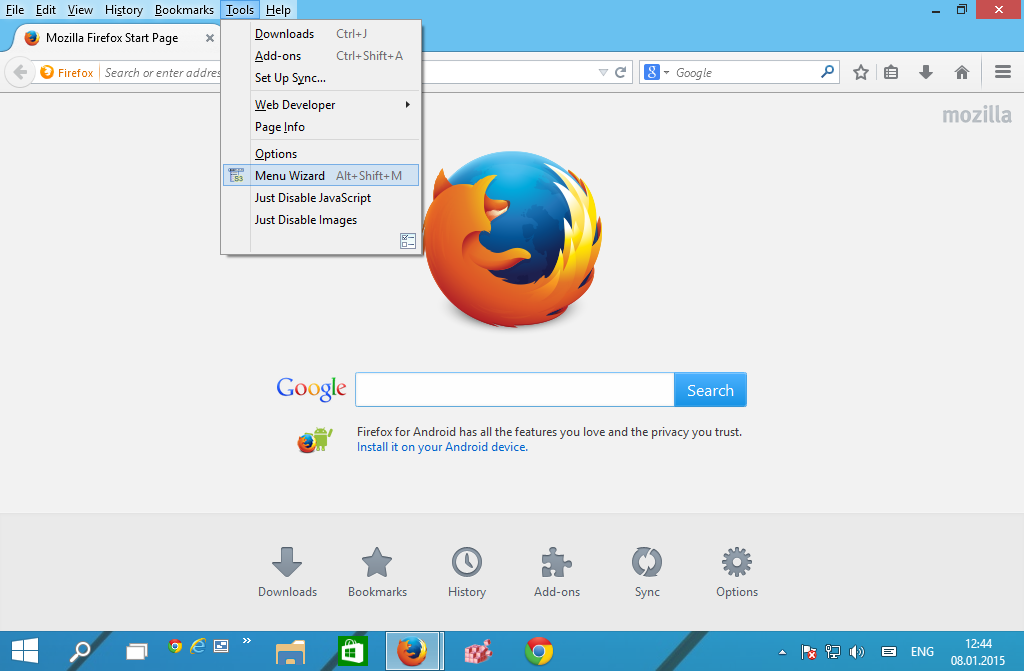
Customize shortcut keys; Assign any Javascript code or browser actions to any key strokes. Here's an article on remapping keyboard shortcuts for Firefox. You'll need the keyconfig extension.
It is important to note that not all applications will allow you to use custom keyboard shortcuts. Another important note when creating custom shortcuts is when you duplicate a keyboard shortcut, that is already in use, your new shortcut will not function. If you want to be adventurous, you can always reassign keyboard shortcuts that already exist. If you make a mistake, there is an option to restore to default settings for some of the shortcuts. In general we do not recommend reassigning keyboard shortcuts, unless you are confident enough in your skills to restore them to their previous values. In the Menu Title area you will need to type the name of the Menu Bar command exactly as it appears, including any ellipsis or other special characters that may be present. For this example I will use the About Pages command.
A keyboard shortcut will also need to be assigned. I will use: Command + Option + A. To set the keystroke combination simply press one, two, three, or all four of the modifier keys which are Command, Control, Option and Shift.
Then press a letter or number of your choosing. Note: the modifier keys can be entered in any order. When satisfied with your shortcut, simply click the Add button and give the new shortcut a try in the application, or applications, you have decided to use it with. There is no need to quit or restart the application for the new keyboard shortcut to take effect. When you access the Menu Bar, you will notice the new keyboard shortcut will be presented next to the name of the command.
Advertisement We’ve shared the benefits of keyboard shortcuts for some time. Whether you’re or, keyboard shortcuts let you zip through commands without the mouse slowing you down. You might know some of the Keyboard shortcuts can save you hours of time. Master the universal Windows keyboard shortcuts, keyboard tricks for specific programs, and a few other tips to speed up your work., but did you know that you can set up your own shortcuts, too? Let’s look at the variety of ways that Windows 10 allows you to create custom shortcuts for even more productivity.
Create a Shortcut to Any App Windows 10 does a better job of keeping Modern apps out of your face Windows 8 has been getting plenty of hate, partly because people resist change. But change can bring improvements. Let us lift your veil of ignorance and demonstrate how to be more productive with the new. The All Apps part of the Start Menu still contains all your Modern apps and regular desktop software, however. At first glance there’s no easy way to make shortcuts to these apps, but it’s actually easy to do. Open Are you using the easiest way to save time on Windows?
It's the Run dialog. We show you how to quickly create custom commands to open any program or file in two easy steps. By pressing Windows Key + R and type Shell:AppsFolder to open the Applications folder inside a File Explorer. Here, you can view Windows 10 Store apps have come a long way. Meanwhile, you can choose from a considerable selection, free and paid. We have picked out the ones worth your while. Once you locate one that you want to create a shortcut to, right-click it and choose Create shortcut.
You’ll be told that the shortcut appears on the desktop, which is exactly what we want to do. Next, it’s probably a good idea to create a folder on the desktop to hold all of our shortcuts to Clutter is more detrimental than you realize. A tidy Windows desktop makes things easier to find, is more pleasing to look at, and reduces stress. We show you how to get your desktop in order. Right-click and choose New Folder. Call this Shortcuts or whatever you like, and place the shortcut to your app inside the folder. Then, right-click on the shortcut icon and choose Properties.
Under the Shortcut tab, click inside the Shortcut key box and type a key that you want to launch this app. Windows will add Ctrl + Alt to this, but you can change it to Ctrl + Shift + Key or even Ctrl + Shift + Alt + Key.
You can even choose non-character keys like Home or Page Up. Make sure you don’t duplicate a shortcut of your favorite software, which could be confusing. Click OK and that’s all you have to do for an instant shortcut to any app! Repeat the above process for as many apps as you like. You can keep them all tidy in a folder for easy access. To remove a keyboard shortcut, just delete the app shortcut. Add a Shortcut to a Website You can use the above method to add a keyboard shortcut to any website you like, too.
To send a website shortcut to your desktop, you can for that site. If you don’t want to use Chrome, you can drag and drop a browser bookmark (or a URL) from any browser onto your desktop. Once you’ve done that, just-right click on the new website shortcut and add a key combination in the shortcut box per the above. It will open in The browser you're using right now may not be the best one for you. The browser arena changes so frequently that your conclusions from comparisons made last year may be completely wrong this year.
When pressed. Shut Down With a Shortcut While there are plenty of Windows' strength is customization and it doesn't stop at shutting down. You can end your session or reboot your system in various ways, many offering more convenience and control than the Start menu., you can add one that’s even faster. To start, right-click anywhere on your desktop and choose New Shortcut. You can type several different tasks when it asks for a location.
Custom Keyboard Shortcuts In Firefox For Mac Mac
shutdown.exe -s -t 00 -f will create a shortcut to shut down the computer immediately and force-close any open programs. shutdown -r -t 00 -f will restart Windows with the same parameters. shutdown.exe –L logs off your account.
After you enter this, go ahead and give it a friendly name. Then, you can place it in the shortcuts folder we made earlier, and use the same method to assign it a keyboard shortcut. Jump to Common Utilities and Folders Easily Using the New Shortcut option, you can create a shortcut to any tool that is accessible through Run or Command Prompt commands. While you can make shortcuts for some using the above methods, there are plenty of Windows utilities you might like to keep close at hand:.
A single will create a shortcut to open the root of your C: drive. Similarly, a. Is a shortcut to your User folder, containing your Documents and other folders. Creates a shortcut to Have you been troubleshooting a Windows issue to no avail? Creating a new user account could be your last resort. It's tricky, but we'll show you how to do it right., great if you manage multiple accounts on your PC. appwiz.cpl brings you right to the Programs and Features menu so you can uninstall software.
osk will launch the on-screen keyboard. perfmon launches If you feel like your PC is slow, the Windows Performance Monitor is one power user tool that can help you troubleshoot the cause.
We show you how to use this data monitor effectively. msinfo32 shows detailed information about your system. Go Beyond Windows Defaults These methods let you create shortcuts to Windows can do a lot more than you may think. Even if you're a veteran Windows user, I bet you'll discover a feature in our list that you never knew existed., but for even more power (or some help), you can turn to third-party software. One tool that makes creating custom shortcuts easy is. This software hides in your System Tray; you can open it with the shortcut Win + Ctrl + F11.
After a simple installation, you’ll be greeted with the main menu. It shows a sampling of basic Windows shortcuts; to add your own, click New Hotkey. Adding a new shortcut here is similar to doing it within Windows dialogue boxes.
Choose a brief name for the shortcut, and select the key combination you’d like. Then, you can decide if you want your hotkey to launch software, open a document or folder, type text, or move windows around. If you choose to launch a program, document, or folder, you’ll need to browse out to the location of said file. There are, and Windows includes shortcuts for resizing windows, so you don’t really need those. For complete control over custom shortcuts, advanced users should. This powerful tool lets you re-assign keys and with some practice, you can do. What Shortcuts Will You Create?
Anyone can use the default shortcuts to get around faster, but setting custom shortcuts gives you quick access to the items you need most. Whether that’s a program you use all the time, or a Windows utility you can’t live without, you’ll never have to mouse through five menus to get there again with these tips.
Want to become a shortcut guru? Check out You might know lots of keyboard shortcuts, but did you know you could get around Windows without your mouse? What custom keyboard shortcuts have you set in Windows? I want to hear your favorites so we can make the list even better! Explore more about:,.
Comments are closed.