Docker 1.12.1 Occasionally Hangs Issue 828 Docker/for-mac
Command freezes Docker (container and) daemon. Information Docker.Service is more than 4GB sometimes even 8GB. This happens even if all the containers and images are empty. Issues unrelated to Docker for Mac will be closed. In particular. Repository pxe. Asked Apr 2 at 15:16. 1answer 211 views How to disable default NIC after a PXE BOOT. I would like to boot a Docker container using PXE network booting. I've read that Docker containers don't really boot and I've also read about the fundamentals of.

– - x I have tried with the latest version of my channel (Stable or Edge) - x I have uploaded Diagnostics - Diagnostics ID: 1759 Expected behavior. Docker should start when booting windows Actual behavior. Docker icon is red.
– - x I have tried with the latest version of my channel (Stable) - I have uploaded Diagnostics - Diagnostics ID: Expected behavior I copied some executables into my image via Dockerfile and I expect to run them with no issues. Actual behavior I entered a container interactively and attempted to run the file, but ended up with an error “The system cannot execute the specified program.” – Please read the rest of the story in the details section before jumping to a conclusion. Information
- Did the problem appear with an update? - A reproducible case if this is a bug, Dockerfiles FTW. – - Windows Version: Windows 10 Pro 1709 - Docker for Windows Version: Client: Version: 18.03.1-ce API version: 1.37 Go version: go1.9.5 Git commit: 9ee9f40 Built: Thu Apr 26 07: OS/Arch: windows/amd64 Experimental: false Orchestrator: swarm Server: Engine: Version: 18.03.1-ce API version: 1.37 (minimum version 1.24) Go version: go1.9.5 Git commit: 9ee9f40 Built: Thu Apr 26 07: OS/Arch: windows/amd64 Experimental: false Steps to reproduce the behavior
The line I wrote to copy the files is as below and it’s pretty much all the Dockerfile does. COPY 'FolderOfMyExecutables', 'C: Program Files (x86) TargetFolder' Then I built the image with no errors and I started a container by running docker run -it MyImageName:Mytag CMD Then within the container, I could CD into the TargetFolder and saw all my executables there.
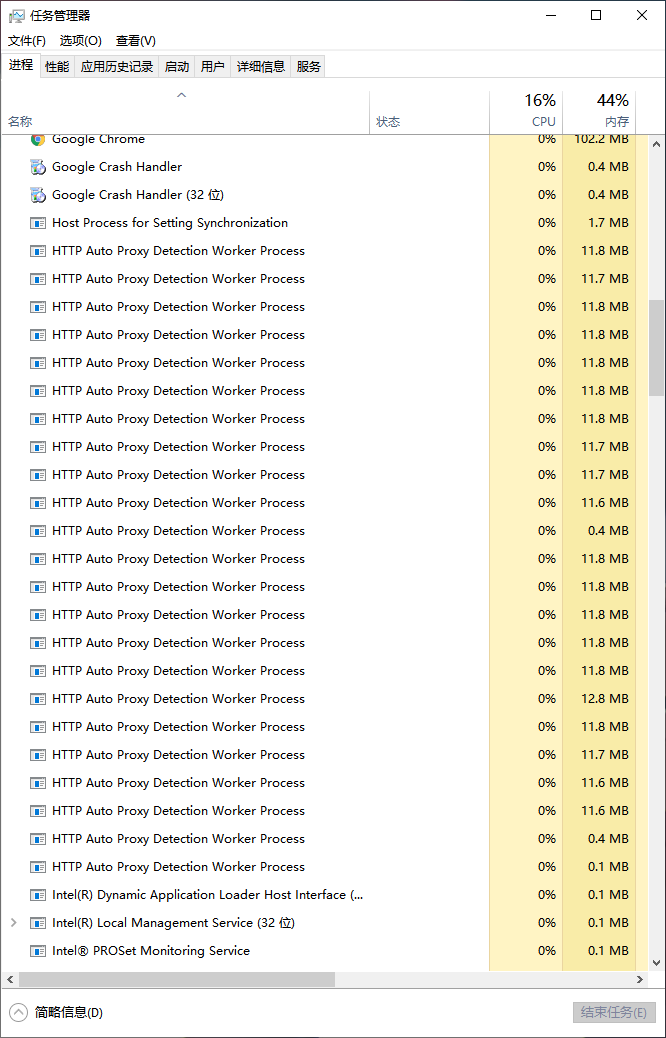
When I tried to run one of them, I ended up with the error “The system cannot execute the specified program.”, although the executable I wanted to run was a command line application. After hours of searching around on the Internet, I got nothing although I’m pretty sure my executables definitely run on a Windows Server Core physical or virtual machine. Finally I decided to try mounting the files from a host folder into the container using -v option, and I managed to run my executables in the container! I used “diff” to compare the files from the TargetFolder and from the mounted folder, but there were no differences at all, except the ones in the TargetFolder just refused to run! Finally, I tried another experiment.
I no longer mounted the host folder. I simply started a new container from the image, got into it, created a temp folder within the container, copied all my files to the temp folder, and then copied back and overwrote the files. So basically nothing changed on those files, but now they’re all okay to run! I also tried to commit the changes from the container back to the image, but I still got the exact same issue with the new image and could only be solved by the same way. Is it possibly because of the file system permissions?
In particular, see - for docker-compose - for docker-machine - for Docker daemon - for the documentation –
For instance: - Is it reproducible? - Is the problem new? - Did the problem appear with an update? - A reproducible case if this is a bug, Dockerfiles FTW. – - Windows Version: Windows 10 Pro - Docker Version: docker version Client: Version: 18.03.1-ce API version: 1.37 Go version: go1.9.5 Git commit: 9ee9f40 Built: Thu Apr 26 07: OS/Arch: windows/amd64 Experimental: false Orchestrator: swarm Steps to reproduce the behavior
x I have uploaded Diagnostics. Diagnostics ID: A5113337-D3E5-4C61-B2B8-67B76B8F5F9E/2018-06-0814-42-51 Expected behavior A fail message after “docker login” Actual behavior Message “Login Succeeded” even when I provide wrong credentials Information. Is it reproducible? Maybe using Fiddler with the option to inspect HTTPS requests. Windows Version: Windows 10 Enterprise, 1703, OS Build 15063.296. Docker for Windows Version: 18.05.0-ce Steps to reproduce the behavior.
Setup Docker for Windows to use a proxy that does a MITM attack replacing the SSL certificates. Execute docker login and provide wrong credentials. It is presenting a “Login Succeeded” instead of a fail or error message. I got it working at my company using another proxy that doesn’t do the MITM, but this proxy blocks a lot of other sites that are only reachable using the other proxy. The bug I’m reporting here is about the false positive messages, but after I lost a day trying to get this working (before I know the other proxy), I wanted to just get this working, I wouldn’t use this to build production images, it was just for development, I wouldn’t care about my password, I don’t have anything useful in my docker repository yet, would be very helpful to get an option like Google Chrome to ignore these certificate errors ( -ignore-certificate-errors). If someday I need to use my account for anything important, I could change my password and stop using this -ignore-certificate-errors option. Windows Version: Windows 10.
Docker for Windows Version: Stable, Server Version: 18.03.1-ce Expected behavior I should be able to change syctl settings in Docker for Windows ui config or via a config file. I tried editing /etc/sysctl.conf using this but it’s not preserved on reboot. Docker run -ti -privileged -v /:/tmp/root centos bash This feature was also requested in I’m trying to create /etc/sysctl.d/60-max-user-watches.conf with below to workaround a failure in my container “dnsmasq: failed to create inotify: Too many open files”. Fs.inotify.maxuserwatches = 8192 fs.inotify.maxuserinstances = 8192 Btw I don’t need this workaround under Docker for Mac with the same container/environment, I wonder if you’ve already increased those settings in D4M? PS: more info about the dnsmasq problem in https://github.com/kubernetes/kops/pull/2913. x I have tried with the latest version of my channel (Stable or Edge). x I have submitted Diagnostics.
x I have included the Diagnostics ID in this Issue. Windows Version: Windows 10 Pro 1803 17134.1. Docker for Windows Version: Version 18.03.1-ce-win65 (17513) Expected behavior No issues with PHP loading other required files.
Actual behavior With each odd or so request, PHP fatal errors with PHP failing to open a required PHP file. Example: PHP Fatal error: require: Failed opening required '/srv/www/web/wp/wp-includes/script-loader.php' (includepath='.:/usr/local/lib/php') in /srv/www/web/wp/wp-settings.php on line 192 Information
Expected behavior According to the host.docker.internal resolves the host’s ip. Actual behavior Ping request could not find host host.docker.internal Network works fine. Pinging Host IP directly (ipconfig) works as expected. Host: Windows 10 Enterprise Container: microsoft/windowsservercore:latest Neither stable (18.03) nor edge (18.04) works. Probably important side note: DNS can be resolved in Linux Container (Ubuntu) PS C: ping host.docker.internal Ping request could not find host host.docker.internal.
Please check the name and try again. PS C: ping gateway.docker.internal Ping request could not find host gateway.docker.internal. Please check the name and try again.
Please, check Issues without logs and details cannot be debugged, and will be closed. x I have tried with the latest version of my channel (Stable or Edge). x I have submitted Diagnostics.
x I have included the Diagnostics ID in this Issue: 48F1A2BA-389E-4E88-9E13-CF174FC-04-1914-51-50. Windows Version: 10.0.16299.125.
Docker for Windows Version: 18.03.0-ce-win59 Expected behavior Docker should stop containers when windows stops. So, on windows start, the containers restarts if restart=unless-stopped Actual behavior The containers exposes ports for SMB and HTTP. On Windows stop, Docker doesn’t stop containers (but windows does stop) On restart, the status show that the containers wasn’t stopped (e.g. Up 12 hours). While trying to access ports: SMB succeed but HTTP doesn’t. Trying to restart the container fails: Error response from daemon: driver failed programming external connectivity on endpoint apacheDFile (82d0b011100224d6d67058585ef9ce2b6f951cddfc400bc9c35b77): Error starting userland proxy: mkdir /port/tcp:0.0.0.0:80:tcp:172.17.0.2:80: input/output error If I restart docker manually, all is fine until I reboot.
Information 48F1A2BA-389E-4E88-9E13-CF174FC-04-1914-51-50. Please, check Issues without logs and details cannot be debugged, and will be closed. x I have tried with the latest version of my channel (Stable or Edge). x I have submitted Diagnostics. x I have included the Diagnostics ID in this Issue. Windows Version: Windows 10; version 1803; OS build: 17133.73; Hyper-V enabled.
Docker for Windows Version: Docker Edge 18.04.0-ce-win62 (17151) - but it happened before too. Expected behavior Kubernetes cluster should start, Settings panel should have green dot saying Kubernetes is running. Kubectl get pods should return empty set. Actual behavior Kubernetes is stuck in Kubernetes is starting phase. Kubetctl get pods hangs. Information Diagnostic ID: 943836AC-0B99-4BEE-BC-04-1723-06-41 Steps to reproduce the behavior This issue looks a lot like which I am not sure why OP closed.
Enter Settings. Go to Kubernetes menu. Select Enable Kubernetes.
Hit Apply Tried Reset to factory settings and different combinations of resetting. The port 6445 seems to be correctly tunneled, as I see vpnkit.exe listening on it. K8s images are downloaded, no k8s dockers are visible in docker ps and docker logs include following entries: 23:04:53.517ApiProxy Info time='2018-04-17T23:04:53+02:00' msg='Node status error: Get EOF' 23:04:54.513ApiProxy Info time='2018-04-17T23:04:54+02:00' msg='Node status error: Get EOF'. 23:05:59.014ApiProxy Info time='2018-04-17T23:05:59+02:00' msg='Node status error: the server was unable to return a response in the time allotted, but may still be processing the request (get nodes)'. 23:06:52.721ApiProxy Info time='2018-04-17T23:06:52+02:00' msg='Node status error: Get http2: server sent GOAWAY and closed the connection; LastStreamID=3, ErrCode=NOERROR, debug= ' '. Please, check Issues without logs and details cannot be debugged, and will be closed.
X I have tried with the latest version of my channel (Stable or Edge). X I have submitted Diagnostics. X I have included the Diagnostics ID in this Issue.
Windows Version: 1709 (OS Build 16299.371). Docker for Windows Version: 18.04.0-ce-win62 (build 3d479c0) Expected behavior Creating a network when in windows container mode should work without error. This works correctly when in Linus container mode.
Actual behavior docker network create foo Error response from daemon: could not find plugin bridge in v1 plugin registry: plugin not found Information
docker network create mynet. I am running docker for windows Edge channel to experiment with kubernetes in docker. Please, check Issues without logs and details cannot be debugged, and will be closed. x I have tried with the latest version of my channel (Stable or Edge). I have submitted Diagnostics.
I have included the Diagnostics ID in this Issue. Windows Version: 10. Docker for Windows Version: Expected behavior log into docker Actual behavior not logging in, acting as if credentials are incorrect Information
Please, check Issues without logs and details cannot be debugged, and will be closed. x I have tried with the latest version of my channel (Stable or Edge). x I have submitted Diagnostics. x I have included the Diagnostics ID in this Issue.
Windows Version: 10.0.16299 Build 16299. Docker for Windows Version: 18.03.0-ce-win58 (16761). Diagnostic ID: D0ED53F1-412F-4BC1-85D3-1B6A192ABF5A/2018-03-2911-46-12 Expected behavior Start running Actual behavior Stopped with error: “ErrorActionPreference” or common parameter is set to Stop: Hyper-V was unable to find a virtual switch with name “DockerNAT”. It took me a long time to understand what was going on. I’m running this on a docker container running an opensuse image. I have found that when I open two powershells and log into the containers using docker exec and run the same command in both windows at almost the exact same time: env-linux/bin/python3 complexscript.py Created using virtualenv Both windows will fail with the weirdest errors, mostly this one: Traceback (most recent call last): File 'complexscript.py', line 29, in import requests ImportError: No module named 'requests' If I wait a few seconds between running the command in each Powershell, then the scripts run correctly.
I have also found that when I copy this directory to another directory that I just created, say /test then everything works as expected. The difference is that the first directory is actually a docker-compose volume mounted using volumes.
This means that the contents is synchronized to that of a Windows folder on the host. My conclusion is that there seems to be some kind of file or directory locking going on that is causing these strange issues. I’m sure it’s not limited to Python, but that’s how I discovered something was wrong. How can this be solved? Many thanks in advance.
I apologize for not using the issue template. I wasn’t sure how to explain how this can be reproduced. Let me know if I need to share more information.
Expected behavior When I run a simple docker as follows: docker run –name redis.local -p 6379:6379 -d redis or when a I write a docker compose file like so: version: ‘3’ services: ethel2fred.api: image: ethel2fred.api build: context:./src/Services/Migration/Ethel2Fred.Api dockerfile: Dockerfile processing.api: image: processing.api build: context:./src/Services/ProcessingCore.Api dockerfile: Dockerfile ports: - “5000:80” dependson: - redis.data - rabbitmq status.api: image: status.api build: context:. Src Services Status.Api dockerfile: Dockerfile dependson: - rabbitmq - redis.data redis.data: image: redis:nanoserver rabbitmq: image: spring2/rabbitmq ports: - “2” - “5672:5672” docker for windows should bind my defined services to localhost and forward the ports to the ones I have specified above. Actual behavior For some reason the expect behavior I have described above stops working on Windows 10 Pro. When I first installed docker for windows on a fresh image of Windows 10 Pro the expect behavior worksed perfectly for both linux containers as well as windows containers. However randomly over time this functionality stops working and I get an “Error response from daemon: driver failed programming external connectivity on endpoint redis.local (c7f759e6146e2d4979bbce46b38ec830fc34b4cc80ad8a586e7142): Error starting userland proxy: Bind for 0.0.0.0:6379: unexpected error Permission denied” error message when I try to the port forwarding for linux containers and the windows containers just starting being assigned other internal ip addresses. Information I have tried uninstalling and reinstalling docker for windows as well as trying a factor default reset.
Neither of these solutions worked; the only thing that I have found to work is to completely reinstall windows. Expected behavior I need to use a proxy and I’m able to set it in the proxies tab in the Docker Settings. I expect Docker to use the set proxy for all kind of transactions: pulling/pushing images, in the final container and while building the actual image. Actual behavior Unfortunately this only applies to pulling/pushing images and the container. While building no proxy is set and therefore functions like apt-get and curl fail. Information.
Diagnostic ID: 80162FE0-1E80-4CAD-9437-195610F0B460/2017-12-0415-43-59. Windows 10 Enterprise Steps to reproduce the behavior. set a proxy in the settings GUI and apply. build a Dockerfile using RUN apt-get update. build fails due to connection refused Workaround As a workaround I’m able to set the build args myself.
Here’s a sample compose-file: version: '2' services: myservice: image: myservice:latest build: context:. Dockerfile: Dockerfile args: - httpproxy=- httpsproxy=- HTTPPROXY=- HTTPSPROXY=http://myproxy.com:8080. Expected behavior We have a hard requirement to use Windows 10 for our compilation, applications and tooling. In this context, we want to use Docker for Windows on build machines and/or tooling, in an automated-scripted-unattended mode. Actual behavior Some features are preventing us from achieving automation. Initial sharing of the drives cannot be done outside the UI. This is complicating the initial provisioning of our build machines.
Everytime the user password changes, manual intervention is required for re-sharing the drives. Popup asking user’s appreciation (‘would you recommend Docker’) randomly shows up at reboot and blocks Docker starting up. Need to log on to the machine and dismiss. Steps to reproduce the behavior Above show the steps to reproduce the behaviour: - Install Docker for Windows and share drive - With drives shared, change user password. Breaks sharing the drive until manual intervention.
Reboot computer until pop up shows up and see that the Docker service does not startup without a manual intervention to dismiss pop up. Expected behavior I expected LCOW mode to give my containers access to all of my Windows' box’s RAM. Actual behavior The RAM appears to be capped to 1G, per /proc/meminfo Also, there is no longer anything in the Docker Settings to change it. Information B20175AC-8170-4955-8409-C1846A7F82E7/2017-11-2412-20-54 C: Users rlpowellsysteminfo findstr em System Boot Time: 2017-11-24, 11:51:51 System Manufacturer: LENOVO System Model: 20AQCTO1WW System Type: x64-based PC System Directory: C: WINDOWS system32 System Locale: en-us;English (United States) Total Physical Memory: 7,901 MB Available Physical Memory: 4,486 MB Virtual Memory: Max Size: 17,071 MB Virtual Memory: Available: 7,411 MB Virtual Memory: In Use: 9,660 MB Hyper-V Requirements: A hypervisor has been detected. Features required for Hyper-V will not be displayed.
Expected behavior Upon starting Docker on Windows 10 Pro, Docker starts with no issues – displays message “Docker is up and running!” Actual behavior Upon starting Docker on Windows 10 Pro, Docker displays a window with following error message. “Binary stream '0” does not contain valid BinaryHeader. This may be due to invalid flow, or due to changes in the object version between serialization and serialization. Expected behavior Docker starts fine after updating to Windows 10 1709.
Docker 1.12.1 Occasionally Hangs Issue 828 Docker/for-machine
Actual behavior Docker fails after updating Windows to 1709 with: Unable to create: The running command stopped because the preference variable 'ErrorActionPreference' or common parameter is set to Stop: Hyper-V encountered an error trying to access an object on computer 'MYCOMPUTERNAME' because the object was not found. The object might have been deleted. Verify that the Virtual Machine Management service on the computer is running.
Unable to start: The running command stopped because the preference variable “ErrorActionPreference” or common parameter is set to Stop: ‘MobyLinuxVM’ failed to start. ‘MobyLinuxVM’ could not initialize.

‘MobyLinuxVM’ failed to start. (Virtual machine ID 8F62E181-9572-4E0F-AD43-747647FFE916) ‘MobyLinuxVM’ could not initialize. (Virtual machine ID 8F62E181-9572-4E0F-AD43-747647FFE916) at Start-MobyLinuxVM,: line 291 at,: line 386 at Docker.Backend.ContainerEngine.Linux.DoStart(Settings settings, String daemonOptions) in C: gopath src github docker pinata win src Docker.Backend ContainerEngine Linux.cs:line 246 at Docker.Backend.ContainerEngine.Linux.Restart(Settings settings, String daemonOptions) in C: gopath src github docker pinata win src Docker.Backend ContainerEn.
Comments are closed.